


Protein is a crucial macronutrient that our bodies need in large amounts to supply energy and support various bodily functions. For individuals following a vegetarian diet, getting enough protein can be a challenge. However, with the right snack options, it’s easy to meet your daily protein needs.
Incorporating protein-rich snacks into your diet can help with muscle maintenance, energy levels, and overall health. Delicious and nutritious snack recipes can be prepared in advance or made in minutes, making it convenient to stick to your fitness and wellness goals.
Key Takeaways
- Discover delicious and nutritious high protein vegetarian snack ideas.
- Learn why protein-rich snacks are essential for vegetarians.
- Explore simple and convenient snack recipes.
- Understand the importance of protein variety in a vegetarian diet.
- Find out how to transform ordinary ingredients into extraordinary high-protein snacks.
The Importance of Protein in a Vegetarian Diet
For vegetarians, incorporating sufficient protein into their diet is crucial for maintaining energy and supporting bodily functions. A diet lacking in protein can lead to fatigue and compromised health. Therefore, understanding the role of protein is essential for vegetarians.
What is Protein and Why Do We Need It?
Protein is a macronutrient composed of amino acids, which are vital for various bodily functions, including building and repairing tissues. It’s also crucial for producing enzymes, hormones, and other chemicals. Essentially, protein is necessary for maintaining overall health, supporting the body’s structures, and facilitating numerous physiological processes.
- Protein is made up of amino acids, some of which the body can’t produce on its own.
- Adequate protein intake is necessary for muscle health and overall bodily functions.
Protein’s Role in Energy and Muscle Building
Consuming protein-rich foods or snacks helps in sustaining energy levels over a longer period compared to consuming carbohydrates alone. This is because protein takes longer to break down, providing a more stable release of energy. For vegetarians who are physically active, protein is particularly important as it aids in muscle recovery and growth.

- Eating a snack with protein avoids energy crashes associated with carbohydrate-only snacks.
- Protein is crucial for muscle recovery and growth, especially for those who exercise regularly.
- Including protein in your meal or snack plan helps in maintaining lean muscle mass, particularly during weight loss.
Understanding Protein Requirements
Protein requirements vary significantly from person to person, making it important to understand your individual needs. The amount of protein your body requires depends on several factors, including your activity level, age, and overall health.
Recommended Dietary Allowance for Protein
The Recommended Dietary Allowance (RDA) for protein is a good starting point for understanding your protein needs. Generally, the RDA suggests 0.8 grams of protein per kilogram of body weight for sedentary adults. However, this is just a baseline, and your individual needs may vary.
For instance, if you weigh 70 kilograms (154 pounds), your daily protein intake would be around 56 grams. It’s essential to note that these values are calculated based on a sedentary lifestyle, so adjustments are necessary based on your activity level and other factors.
Factors That Affect Your Protein Needs
Several factors can influence your protein requirements, making it essential to consider your overall lifestyle and health goals. Some key factors include:
- Activity Level: Athletes and highly active individuals may require 1.2-2.0 grams of protein per kilogram of body weight daily to support muscle repair and growth.
- Age: Older adults may need more protein (1.0-1.2 grams/kg) to prevent age-related muscle loss (sarcopenia).
- Pregnancy and Breastfeeding: Women who are pregnant or breastfeeding have higher protein needs to support the growth and development of their baby.
- Health Conditions: Certain health conditions, such as illness or surgery recovery, may necessitate higher protein intake for healing and tissue repair.
- Weight Management Goals: Higher protein intake can support both weight loss and muscle gain when appropriately planned.
As you can see, understanding your protein needs is not a one-size-fits-all approach. It’s about finding the right balance for your unique body and diet.

Complete vs. Incomplete Proteins for Vegetarians
Understanding the difference between complete and incomplete proteins is crucial for vegetarians to ensure they get all the essential amino acids. Proteins are made up of amino acids, some of which the body cannot produce on its own and must be obtained through diet.
What Are Complete and Incomplete Proteins?
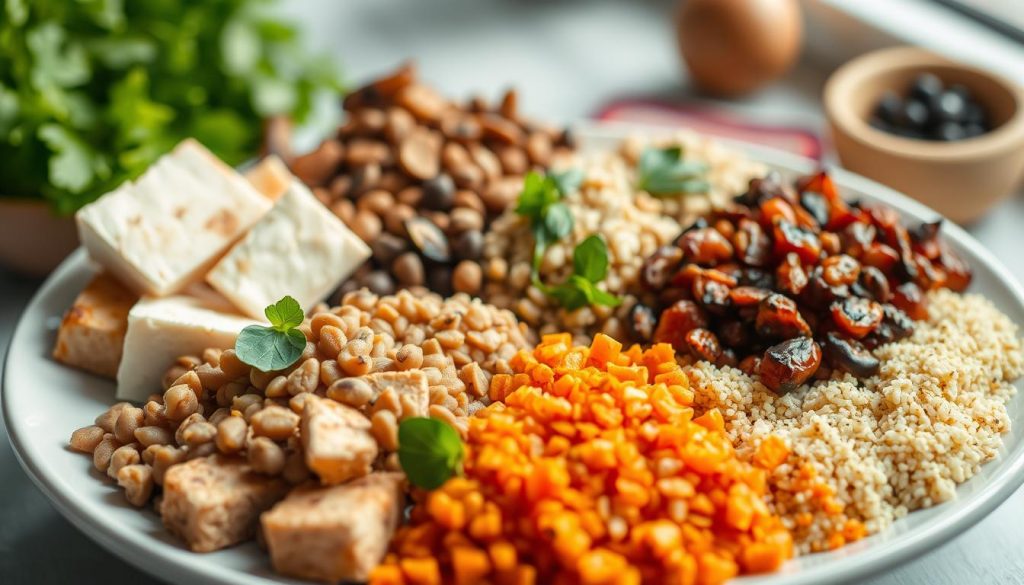
Complete proteins contain all nine essential amino acids that the body cannot synthesize. Most animal-based foods are complete proteins. In contrast, many plant-based foods are considered incomplete proteins because they lack one or more of these amino acids. However, vegetarians can easily obtain all necessary amino acids by consuming a variety of plant-based protein sources.
Protein Complementation for Vegetarians
Protein complementation involves pairing foods that are low in certain amino acids with foods that are high in those amino acids. For example, grains like rice are low in lysine but high in methionine and cysteine. Legumes, such as black beans, are high in lysine but low in methionine and cysteine. Together, they form a complete protein source. Classic complementary protein pairs include beans and rice, hummus and pita, and peanut butter on whole grain bread.
It’s not necessary to consume complementary proteins at the same meal; eating a variety of protein sources throughout the day is sufficient. Examples of complementary snack pairings include trail mix with nuts and seeds, yogurt with granola, or hummus with whole grain crackers. This approach makes high-protein vegetarian snacking more flexible and convenient.
Top High Protein Snacks Vegetarian Options
With a little creativity, vegetarians can enjoy a range of high protein snacks that are both nutritious and delicious. These snacks not only provide the necessary protein but also offer other essential nutrients like fiber, vitamins, and minerals.
Greek Yogurt-Based Snacks
Greek yogurt is an excellent base for high protein snacks. It’s rich in protein and can be combined with various ingredients to enhance its nutritional value and taste. For example, adding nuts or seeds like almonds or chia seeds can provide a crunchy texture and a boost of omega-3 fatty acids.

Cottage Cheese Creations
Cottage cheese is another versatile ingredient for high protein snacks. It can be enjoyed on its own or mixed with fruit, honey, or cinnamon for added flavor. The protein content in cottage cheese helps keep you full and satisfied between meals.

Nut and Seed Combinations
Nuts and seeds are not only rich in healthy fats but also provide a good amount of protein. Combining different types, such as almonds with pumpkin seeds, creates a satisfying snack that’s high in protein and fiber. These combinations are perfect for munching on the go.
Bean and Legume Snacks
Beans and legumes, such as chickpeas and black beans, are protein powerhouses. Roasted chickpeas seasoned with various spices make a crispy and delicious snack. Additionally, bean dips like hummus paired with vegetable sticks or whole grain crackers offer a balanced snack rich in protein, fiber, and complex carbohydrates.
Some creative ways to enjoy beans and legumes include:
- Crispy roasted chickpeas seasoned with spicy cajun or sweet cinnamon, providing about 7-8g of protein per half-cup serving.
- Hummus and bean dips paired with vegetable sticks or whole grain crackers, creating balanced snacks that combine protein, fiber, and complex carbohydrates.
- Bean-based cookie dough bites made with chickpeas, nut butter, and a touch of sweetener, offering a protein-rich treat that satisfies sweet cravings.
- Edamame (young soybeans) steamed and lightly salted, providing around 17g of complete protein per cup.
- Black bean brownies and chickpea blondies that incorporate legumes into sweet treats, boosting protein content while maintaining delicious flavor profiles.
Quick and Easy No-Cook Protein Snacks
In today’s fast-paced world, quick no-cook protein snacks are essential for vegetarians who need a convenient nutrition solution. These snacks are not only easy to prepare but also provide the necessary protein to keep you energized throughout the day.
Grab-and-Go Options
When it comes to grab-and-go options, there are several convenient choices available. You can consider pre-packaged roasted edamame or chickpea snacks, which are crunchy and can be easily stored in your desk, bag, or car. Another great option is individual nut butter packets paired with apple slices or crackers, creating a balanced protein snack with minimal preparation.
Pre-Packaged Protein Choices
For those looking for pre-packaged protein choices, there are several options to consider. When selecting pre-packaged protein bars, look for options with at least 10g of protein and less sugar than protein content for optimal nutrition. Some brands now offer refrigerated plant-based protein snack packs that combine nuts, seeds, and plant-based cheese alternatives, providing a convenient and protein-rich snack.
Plant-based protein shakes and beverages can provide 15-30g of protein per serving and require no preparation beyond opening the container. When choosing packaged options, it’s essential to read ingredient lists carefully to avoid unnecessary additives, excessive sodium, or highly processed components.

By incorporating these quick and easy no-cook protein snacks into your diet, you can ensure that you’re meeting your daily protein needs without sacrificing convenience or taste. Whether you prefer grab-and-go options or pre-packaged protein choices, there’s a wide range of delicious and nutritious options available.
Protein-Packed Dips and Spreads
Incorporating dips and spreads into your diet is an easy way to increase your protein consumption. These tasty additions can be made with a variety of ingredients, including chickpeas, yogurt, nuts, and seeds, providing a boost of protein and healthy fats.
Hummus Variations

Hummus is a popular dip made from chickpeas, and it can be easily modified to increase its protein content. Try adding Greek yogurt or seeds like chia or hemp to create a high protein hummus recipe. This variation not only tastes great but also provides a nutritious snack.
Greek Yogurt Dips
Greek yogurt is an excellent base for dips, offering a high protein content. Mix it with herbs and spices for a savory snack, or with honey and fruit for a sweet treat. With approximately 20 grams of protein per serving, Greek yogurt dips are an excellent choice for those looking to boost their protein intake.
Nut and Seed Butters
Nut and seed butters are rich in healthy fats and protein, making them a satisfying snack. For example, 3 tablespoons of homemade almond butter provide 8.4 grams of protein. You can also make a recipe with sunflower seeds for those with nut allergies. Spread these butters on fruits or vegetables for a quick and nutritious snack.
Baked and Air-Fried Protein Snacks
Elevate your snack game with baked and air-fried protein-rich treats that are perfect for vegetarians. These snacks are not only delicious but also packed with protein to keep you energized throughout the day.
Roasted Chickpeas and Edamame
Roasted chickpeas and edamame make for a crunchy and protein-rich snack. Simply season them with your favorite spices and roast them in the oven or air fryer for a tasty treat. This protein-packed snack is perfect for munching on the go.
To make roasted chickpeas, preheat your oven or air fryer to 400°F (200°C). Rinse and dry a can of chickpeas, then toss with olive oil and your choice of seasonings. Roast for about 30-40 minutes, or until crispy. Edamame can be roasted similarly, offering a boost of protein with every bite.
Protein Cookies and Energy Balls
For a sweeter protein boost, consider making protein cookies or energy balls. These no-bake or baked treats can be made with a variety of protein-rich ingredients, including plant-based protein powder, nut butters, and seeds.

A simple recipe for protein energy balls includes combining rolled oats, nut butter, protein powder, and chia seeds in a bowl. Roll the mixture into balls and refrigerate until firm. These portable protein snacks are perfect for busy days.
By incorporating ingredients like hemp hearts, chia seeds, and ground flaxseed into your baked goods, you not only increase the protein content but also add essential omega fatty acids. Using natural sweeteners like mashed banana or applesauce reduces added sugar while maintaining moisture and flavor in your protein-rich snacks.
Protein-Boosted Smoothies and Drinks
Vegetarian protein smoothies offer a convenient and tasty way to meet your daily protein requirements. Smoothies are highly customizable, allowing you to add various protein-rich ingredients to enhance their nutritional value.
Protein Powder Options for Vegetarians
For vegetarians looking to boost their protein intake, there are several protein powder options available. When selecting a protein powder, consider the source: pea, hemp, brown rice, or egg white protein are popular choices. Always check the label for certifications like vegan or gluten-free if you have specific dietary needs.
Whole Food Protein Additions for Smoothies
In addition to protein powders, whole foods can significantly enhance the protein content of your smoothies. Consider adding Greek yogurt, which provides approximately 15-20g of protein per cup, or silken tofu, which offers about 8g of protein per half-cup. Hemp hearts are another great option, providing 10g of protein per 3 tablespoons. Nut and seed butters, such as peanut butter or almond butter, add about 7-8g of protein per 2 tablespoons. White beans can also be added, providing about 7g of protein per half-cup.
Combining multiple whole food protein sources in one smoothie can create a more nutritionally complete beverage with a varied amino acid profile. Experiment with different combinations to find your favorite protein-boosted smoothie recipe.
Creative Protein-Rich Snack Combinations
Elevate your snacking game with creative protein-rich combinations that are both delicious and nutritious. Combining different protein sources with complementary flavors and textures can enhance the overall snacking experience.
Sweet Protein Pairings
Sweet treats can be a great way to boost your protein intake. For instance, pairing Greek yogurt with honey and nuts provides a satisfying snack that’s high in protein. Mini bell peppers stuffed with a mixture of cottage cheese, herbs, and spices create bite-sized protein snacks with approximately 5-6g of protein per serving. You can also try combining protein powder with fruit and milk for a quick and refreshing protein recipe.
Savory Protein Pairings
Savory snacks can be just as satisfying. Edamame guacamole paired with seed crackers or vegetable sticks combines the protein power of soybeans with the healthy fats of avocado, making for a delicious and healthy dip. Other options include savory roasted chickpea and nut mixes seasoned with spice blends, or cucumber rounds topped with hummus and sprinkled with everything bagel seasoning.

Some other creative combinations include spinach and cottage cheese dip served with whole grain crackers or vegetable sticks, providing approximately 7-8g of protein per quarter-cup serving. Savory Greek yogurt bowls topped with olive oil, cucumber, tomatoes, and herbs create Mediterranean-inspired protein snacks with about 15g of protein per serving.
Tips for Increasing Protein in Your Vegetarian Snacks
Enhancing your vegetarian snacks with protein is straightforward with the right approach. By incorporating a variety of protein-rich foods and using effective meal prep strategies, you can ensure you’re getting enough protein throughout the day.
Meal Prep Strategies
Effective meal prep is key to maintaining a high protein diet. Stock your pantry with shelf-stable protein sources like canned beans, nuts, seeds, and protein powder. This makes assembling a quick, protein-rich snack easy. Consider preparing a batch of roasted chickpeas or edamame on the weekend to enjoy throughout the week.
Keep your freezer stocked with frozen edamame, a complete protein source that can be microwaved in minutes. Having ready-to-eat protein sources like Greek yogurt, cottage cheese, and plant-based protein drinks in your refrigerator is also a convenient way to add protein to your snacks.
Protein-Boosting Ingredients to Keep on Hand
Having the right ingredients on hand is crucial for making protein-rich snacks. Store hemp hearts in your refrigerator; they contain 10g of protein per 3 tablespoons and can be sprinkled on yogurt or oatmeal. Nutritional yeast is another versatile ingredient, providing 8g of protein per quarter cup and adding a cheesy flavor to popcorn or roasted vegetables.

Maintain a supply of nut and seed butters for instant protein-rich snacks. Spreading these on fruits or whole grain crackers is a quick way to boost protein intake. By keeping these protein-boosting ingredients on hand, you’ll be able to create a variety of high protein snacks at any time.
Conclusion
Boosting protein intake with vegetarian snacks is simpler than you think, thanks to the diverse range of options available. By incorporating high protein vegetarian snacks into your daily routine, you can maintain a balanced diet without sacrificing flavor or nutrition. Simple options like Greek yogurt, nuts, or hummus make it easy to get started.
Variety is key to successful protein-rich vegetarian snacking. Rotate between different protein sources to ensure you’re getting a complete range of amino acids. This approach not only keeps your diet interesting but also supports overall health and energy levels. With the abundance of delicious protein vegetarian snack options, you can easily meet your nutritional needs while enjoying flavorful foods that support your vegetarian lifestyle.