

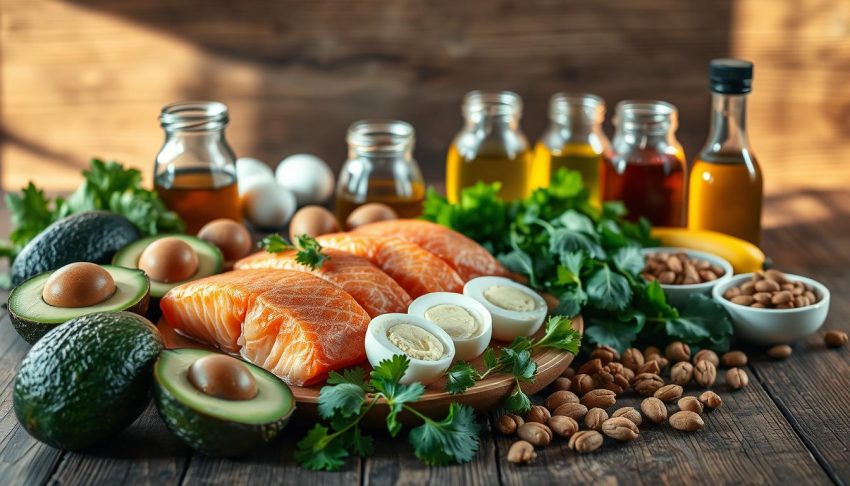
The ketogenic diet has gained popularity for its potential benefits in weight loss and overall health improvement. By limiting daily carb intake to 20-50 grams, the body shifts from relying on glucose for energy to burning fat and producing ketones.
This metabolic state, known as ketosis, can lead to improved energy levels and more efficient fat burning. To achieve and maintain ketosis, it’s crucial to focus on the right foods.
Understanding which foods support ketosis is vital for success on this high-fat, low-carb eating plan. In this guide, we’ll explore the essential foods that can help you create a sustainable and nutritious ketogenic diet plan.
Key Takeaways
- The ketogenic diet is a low-carb, high-fat diet that can lead to weight loss and improved overall health.
- Understanding which foods support ketosis is crucial for success on this eating plan.
- Ketosis can lead to improved energy levels and more efficient fat burning.
- A well-planned ketogenic diet can help you achieve and maintain ketosis.
- Essential foods for ketosis include high-fat, low-carb options.
Understanding the Ketogenic Diet
The ketogenic diet has been widely adopted for its potential to induce weight loss and improve certain health markers. To fully comprehend the diet, it’s essential to understand its fundamental principles and how it works.
What is Ketosis and How Does it Work?
Ketosis is a metabolic state in which the body burns fat for fuel instead of carbohydrates, producing ketones in the process. When the body’s carbohydrate stores are low, it begins to break down fat into molecules called ketones, which can be used as energy. This metabolic shift can lead to weight loss and other health benefits.
Ketosis occurs when the body’s carb stores are depleted, and it starts to rely on fat for energy. This process is facilitated by a significant reduction in carbohydrate intake and an increase in fat consumption.
Macronutrient Ratios on Keto
A standard ketogenic diet typically consists of 70-80% of daily calories from fat, 10-20% from protein, and 5-10% from carbohydrates. For a 2,000-calorie diet, this translates to approximately 25-50 grams of carbohydrates, 150-180 grams of fat, and 50-100 grams of protein per day.
Maintaining these macronutrient ratios is crucial for achieving and staying in ketosis. Tracking macronutrients, at least initially, can help ensure that you’re meeting the required ratios. Many people struggle with increasing their fat intake while reducing carbohydrates, but this balance is key to the diet’s success.

Animal Proteins for a Ketogenic Diet
The ketogenic diet emphasizes the importance of high-quality animal proteins to support overall health and maintain ketosis. Animal proteins are rich in essential nutrients and help in achieving the high-fat, moderate-protein requirements of the keto diet.
Seafood Options
Seafood is an excellent source of animal protein for those on a ketogenic diet. Fatty fish like salmon and mackerel are not only rich in protein but also high in fat, making them ideal. Other seafood options like shrimp, lobster, and crab are also keto-friendly, being low in carbs and rich in protein.
Meat and Poultry Choices
Meat and poultry are staples in a ketogenic diet. Choose fatty cuts of meat like ribeye and pork belly, and opt for poultry with the skin on to increase fat intake. Grass-fed beef and pasture-raised poultry are preferred for their higher omega-3 fatty acid content and better fatty acid profile.
Eggs and Their Benefits

Eggs are considered a perfect keto food, containing less than 1g of carbohydrates and about 6g of protein per large egg. The fat content in egg yolks helps maintain the high-fat ratio needed for ketosis. Eggs are also rich in choline, supporting brain health, and their protein content helps increase satiety hormones, potentially aiding in hunger management on a ketogenic diet.
- Eggs provide approximately 6g of complete protein per large egg.
- The fat in egg yolks supports the high-fat requirements of the keto diet.
- Eggs are rich in choline, an essential nutrient for brain health.
Incorporating these animal proteins into your diet can help achieve and maintain ketosis, supporting overall health and well-being on a ketogenic diet.
Healthy Fats and Oils
Fats are not the enemy; they’re a fundamental part of a successful keto diet, offering numerous health benefits. The right types of fats can enhance the diet’s effectiveness while supporting overall well-being.
Olive Oil and Its Benefits

Olive oil is a staple in many kitchens, and for good reason. It’s rich in healthy fats that are perfect for a keto diet. The best olive oil for a keto diet is typically extra virgin olive oil, which is less processed and retains more nutrients. Using olive oil in moderation can contribute to a balanced intake of fats.
Butter, Ghee, and Other Cooking Fats
Besides olive oil, other fats like butter and ghee are also valuable in a keto diet. They are high in fat and can be used for cooking, adding flavor, and increasing the fat content of meals. Ghee, in particular, has a high smoke point, making it ideal for high-heat cooking.
Avocados and Olives
Avocados and olives are unique fruits that are high in healthy fats and low in net carbs, making them perfect for a keto diet. A medium avocado contains about 15g of fiber, reducing its net carb count and supporting digestive health. Both avocados and olives are rich in monounsaturated fats, which can help improve heart health by reducing the risk of heart disease.
The versatility of avocados makes them ideal for increasing fat intake – they can be eaten alone, made into guacamole, or used as a base for keto-friendly desserts. Olives are great as portable snacks and can be added to salads or main dishes for extra fat.
Low-Carb Vegetables to Include
Low-carb vegetables are a crucial component of a successful ketogenic diet, providing essential nutrients and fiber. They not only add variety to your meals but also help in maintaining a balanced nutritional intake.
Leafy Greens
Leafy greens such as spinach, kale, and collard greens are incredibly nutritious and low in carbs, making them an excellent addition to a keto diet. They are rich in vitamins and minerals, and their low carb count ensures they won’t kick you out of ketosis.
Cruciferous Vegetables
Cruciferous vegetables like broccoli, cauliflower, and Brussels sprouts are not only low in carbs but also high in fiber and antioxidants. They can be used as substitutes for high-carb foods; for example, cauliflower can be turned into cauliflower rice or mashed cauliflower.
Other Non-Starchy Vegetables
Beyond leafy greens and cruciferous vegetables, several other non-starchy vegetables fit perfectly into a ketogenic eating plan. Zucchini and summer squash are extremely versatile, with approximately 3g of net carbs per cup, and can be spiralized to create low-carb “noodles” for pasta dishes. Bell peppers provide vitamin C and vibrant color to keto meals while containing only about 4-5g of net carbs per medium pepper.
Asparagus is rich in folate and contains just 2g of net carbs per cup, making it an excellent side dish option for keto meals. Mushrooms add umami flavor and meaty texture to dishes while providing only 2-3g of net carbs per cup, depending on the variety. Celery, cucumber, and radishes are extremely low in carbs and make excellent vehicles for high-fat dips and spreads.
Nuts and Seeds on a Keto Diet
Incorporating nuts and seeds into your keto diet can be highly beneficial due to their high fat and low carb content. These foods are not only delicious but also packed with nutrients, making them an excellent addition to your ketogenic meal plan.
Best Low-Carb Nuts
Nuts are a great snack on a keto diet, providing a boost of energy and nutrition. Some of the best low-carb nuts include almonds, macadamia nuts, pecans, and walnuts. Macadamia nuts are an excellent choice, as they are high in fat and low in net carbs. Other keto-friendly nuts include almonds and walnuts, which are rich in healthy fats and antioxidants.
Seeds and Their Nutritional Benefits
Seeds are another crucial component of a keto diet, offering concentrated nutrition that supports ketogenic macronutrient goals while providing essential micronutrients and fiber. Some of the most nutritious seeds include chia seeds, flaxseeds, hemp seeds, pumpkin seeds, and sesame seeds.
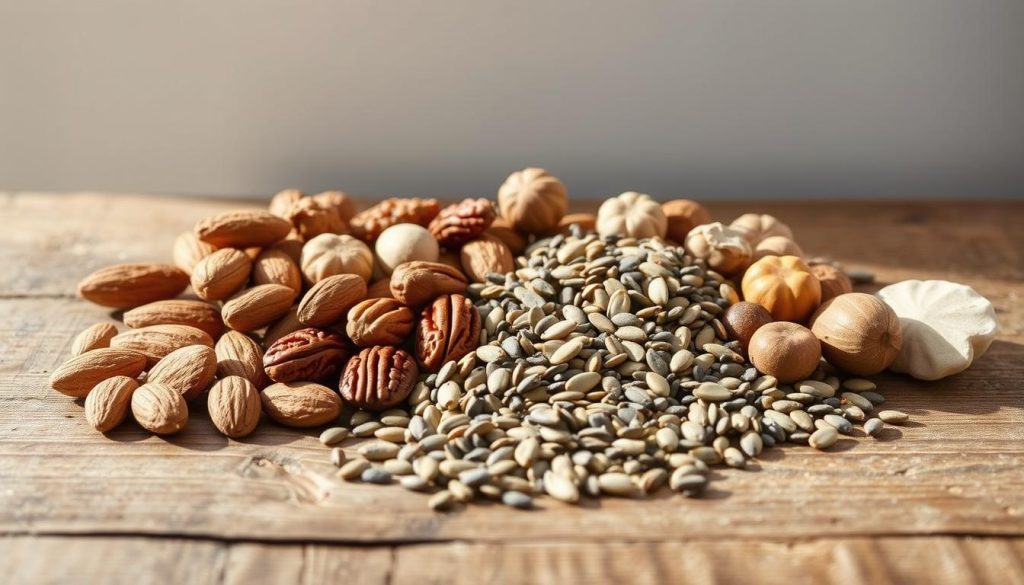
These seeds are not only low in net carbs but also rich in nutrients. For example, chia seeds form a gel when mixed with liquid, creating a great texture for keto puddings and smoothies. Flaxseeds are another excellent option, providing omega-3 fatty acids and lignans that may have hormone-balancing effects.
By incorporating a variety of nuts and seeds into your keto diet, you can support your overall health and reduce the risk of chronic diseases.
Dairy Products for Ketosis
Dairy products can be a valuable addition to a ketogenic diet, offering high-fat and protein-rich options. When selecting dairy products, it’s essential to choose those that are low in carbs and rich in fats to maintain ketosis.
Cheese Varieties
Cheese is an excellent dairy choice for keto dieters due to its high fat content and versatility. Various cheeses like cheddar, mozzarella, and feta are not only delicious but also fit well within a keto diet. Full-fat cheeses are particularly beneficial as they are low in carbs and high in fat.
Greek Yogurt and Other Fermented Dairy
Fermented dairy products like full-fat Greek yogurt and cottage cheese are nutritious and can be part of a keto diet when consumed in moderation. They are high in protein and can help with feelings of fullness. For example, full-fat Greek yogurt contains approximately 5-7g of carbs per 6-ounce serving, making it an acceptable choice in moderation for most keto plans. Cottage cheese provides about 5g of carbs per cup while delivering approximately 25g of protein.
- Fermented dairy products offer probiotic benefits alongside favorable macronutrient profiles for ketogenic diets.
- Sour cream is another excellent high-fat condiment with only about 1g of carbs per ounce.
- Kefir, a fermented dairy product, contains diverse probiotic strains that may benefit gut health.
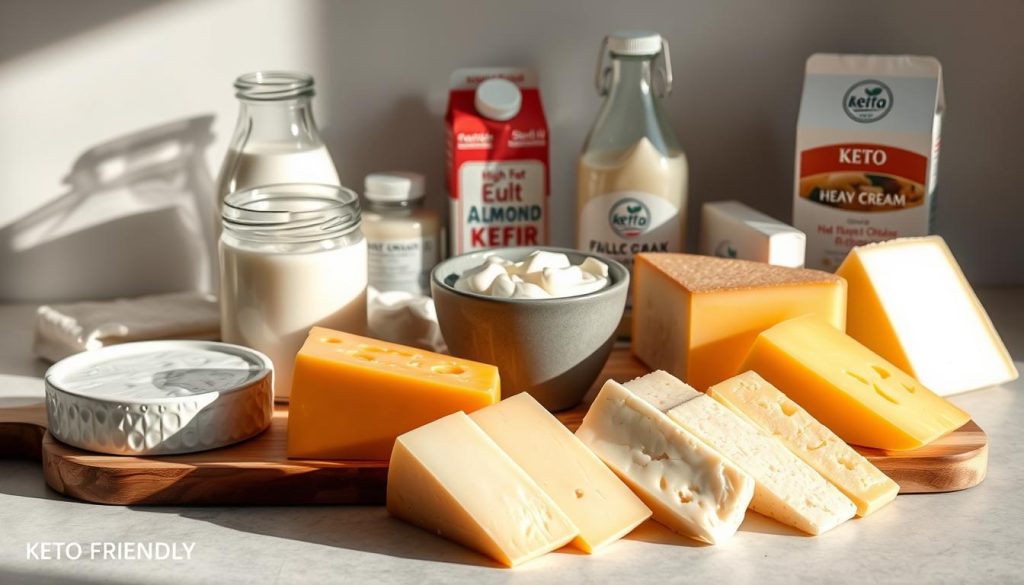
When incorporating dairy into your keto diet, it’s crucial to choose unsweetened varieties and check labels carefully to avoid excessive carb intake. The protein content in these foods helps support muscle maintenance during weight loss phases of ketogenic dieting.
Berries and Low-Carb Fruits
Fruits can be a challenging category for those on a keto diet, as most are high in carbs, but certain berries are an exception. While many fruits are too sugary to fit within a ketogenic diet, berries offer a delicious and nutritious alternative that can be enjoyed in moderation.
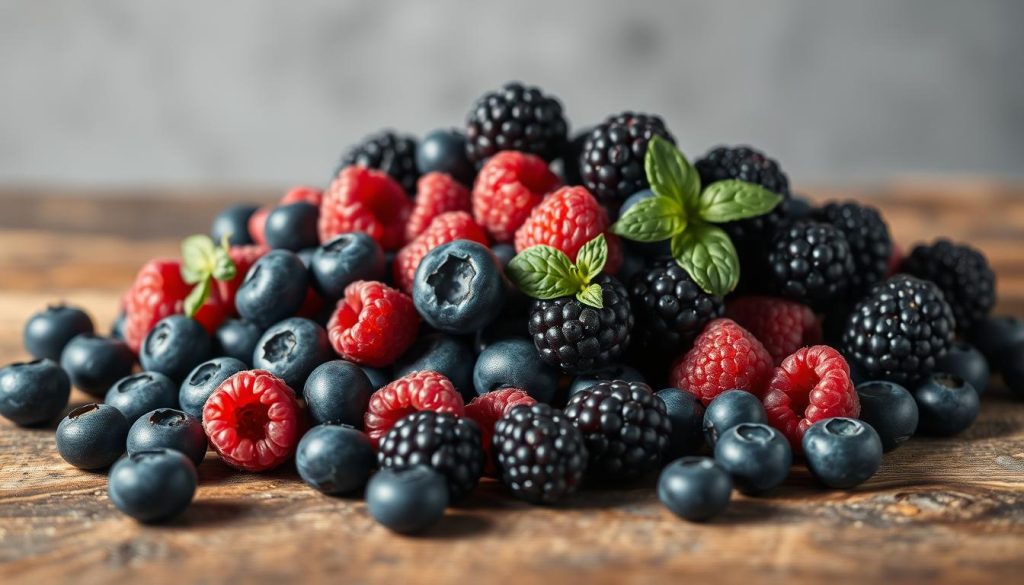
Navigating Keto-Friendly Berries
Berries are a great option for those on a keto diet, with raspberries and strawberries being particularly low in carbs and high in fiber. Other berries like blackberries and blueberries can also be part of a keto diet, but their carb content means they should be consumed with caution, especially on stricter keto plans.
Fruits to Avoid on Keto
While berries can be a keto dieter’s friend, many other fruits are too high in sugar and carbs to be included in a ketogenic diet. Fruits like bananas, mangoes, and pineapples are particularly high in carbs. For example, a medium banana contains around 24g of net carbs, which can represent a significant portion of the daily carb allowance on a strict keto diet.
Other fruits like apples, pears, and oranges also contain high amounts of carbs, typically ranging from 15-20g net carbs per serving. Even grapes, though small, are surprisingly high in sugar, with a single cup containing about 26g of net carbs, making them incompatible with maintaining ketosis.
It’s also worth noting that dried fruits and fruit juices are particularly carb-dense and should be avoided on a keto diet. A small handful of raisins can contain around 22g of net carbs, and fruit juices lack the fiber that helps reduce the net carb impact of whole fruits.
Foods For Ketosis Diet: Complete Shopping List
Stocking your pantry, refrigerator, and freezer with keto-friendly foods is the first step to achieving ketosis. A well-planned shopping list ensures that you have the necessary ingredients to maintain a ketogenic diet.
Pantry Essentials
Your pantry should be stocked with healthy fats and low-carb foods. Olive oil is a staple for cooking, while avocado oil is great for high-heat cooking. Nuts and seeds like almonds, walnuts, chia seeds, and flax seeds are rich in healthy fats and can be consumed in moderation. It’s also essential to have a variety of spices and seasonings to add flavor to your meals without adding carbs.
Cream and half-and-half are high-fat dairy products that are ideal for keto. Cream is composed of the fatty portion of fresh milk, while half-and-half is a mix of cream and whole milk. Both are very low in carbs and high in fat, making them suitable for a keto diet, but should be enjoyed in moderation.
Refrigerator and Freezer Staples
The refrigerator and freezer sections of your kitchen should be stocked with fresh, perishable foods that form the backbone of a nutritious ketogenic diet. High-quality proteins like eggs, chicken thighs, ground beef, bacon, and various seafood options are essential for quick meal preparation.
- Cheese varieties like cheddar, mozzarella, cream cheese, and parmesan provide fat and flavor with minimal carbs.
- Fresh low-carb vegetables like spinach, kale, zucchini, cauliflower, and broccoli should be regularly restocked.
- Heavy cream, butter, and full-fat sour cream are vital fat sources.
- Freezing berries when in season provides a year-round low-carb fruit option.
- Pre-portioned frozen fish and meat make meal preparation easier.
Beverages Compatible with Ketosis
Staying hydrated is crucial on a keto diet, and fortunately, there are many beverages that can complement your ketogenic lifestyle. The key is to choose drinks that are low in sugar and carbs.
Hydrating with Water and Unsweetened Drinks
Water is the ultimate hydrator and should be your primary beverage choice. Unsweetened drinks like seltzer water are also great options. You can add a squeeze of fresh lemon or lime juice for flavor without adding sugar or carbs.
- Drink plenty of water throughout the day.
- Opt for unsweetened seltzer water as an alternative to plain water.
- Avoid flavored waters with added sugar or artificial sweeteners.
Coffee, Tea, and Other Options
Coffee and tea are excellent beverage choices for those on a keto diet. They are carb-free and provide antioxidants and potential metabolic benefits. You can enhance your coffee with heavy cream, butter, or MCT oil to increase the fat content, making it a great food choice for keto dieters.
- Choose black coffee or tea for a zero-carb drink.
- Add heavy cream or butter to your coffee for extra fat.
- Be mindful of commercially prepared coffee drinks that may contain hidden sugar and syrups.
By making informed choices about your beverages, you can stay hydrated and support your overall health while following a keto diet.
Keto-Friendly Substitutes for High-Carb Foods
The keto diet demands a shift away from traditional high-carb foods towards innovative, low-carb alternatives. This transition can be challenging, but numerous options are available to make the change smoother.
Replacing Pasta and Rice
For those who enjoy pasta and rice, there are several keto-friendly alternatives. Zucchini noodles (zoodles) and shirataki noodles are popular substitutes for pasta, with minimal carbs. Cauliflower rice is another versatile option, made by pulsing cauliflower in a food processor until it resembles rice. It’s a great base for many dishes, from stir-fries to risottos, with significantly fewer carbs.
Bread and Flour Alternatives
Bread and flour-based products are among the most challenging foods to replace on a ketogenic diet. However, several alternatives can satisfy similar cravings. Almond flour contains approximately 3g net carbs per 1/4 cup, making it a popular keto baking alternative. Coconut flour is another option, with about 2g net carbs per 1/4 cup, though it requires recipe adjustments due to its high liquid absorption. Other alternatives include ground flaxseed, psyllium husk powder, and cloud bread
These substitutes enable individuals on a keto diet to enjoy their favorite foods while maintaining a state of ketosis. By incorporating these alternatives into meal plans, it’s easier to stick to the diet and achieve desired health benefits.
Potential Challenges and How to Overcome Them
While the keto diet offers numerous benefits, it’s not without its challenges, which can be overcome with the right strategies. A well-planned approach can help mitigate potential issues and ensure long-term success.
Getting Enough Fiber
One common challenge on a ketogenic diet is getting enough fiber. Since many high-fiber foods are also high in carbohydrates, it’s essential to focus on low-carb, fiber-rich options like non-starchy vegetables, nuts, and seeds. Incorporating a variety of colorful vegetables into your meals can help ensure adequate fiber intake. Some examples include:
- Leafy greens like spinach and kale
- Cruciferous vegetables like broccoli and cauliflower
- Avocados, which are rich in healthy fats and fiber
Balancing Nutrients on Keto
Another crucial aspect of a successful keto diet is balancing nutrients. While the diet focuses primarily on macronutrient ratios, micronutrient balance remains vital for long-term health and sustainable weight management. It’s essential to be mindful of potential nutrient deficiencies, particularly for vitamins D, E, and certain B vitamins found in higher-carb foods. Regular monitoring of health markers through blood work can help identify potential imbalances before they become problematic.
By being aware of these potential challenges and taking proactive steps to address them, individuals can successfully navigate the keto diet and achieve their weight loss goals while minimizing the risk of related disease, such as type 2 diabetes.
Conclusion
As we’ve explored, the keto diet is not just about cutting carbs, but about embracing a lifestyle that promotes overall well-being. By focusing on whole, nutrient-dense foods, individuals can successfully maintain a state of ketosis and reap its benefits, including weight loss and improved energy levels.
The key to success on the keto diet lies in selecting the right foods that maintain ketosis while providing comprehensive nutrition. This includes consuming animal proteins like seafood, meat, poultry, and eggs, as well as healthy fats from sources like olive oil, avocados, nuts, and seeds. Additionally, incorporating low-carb vegetables is crucial for micronutrient intake and fiber.
While the keto diet can be highly effective for weight loss and managing conditions like type 2 diabetes, it’s essential to approach this diet with proper planning and moderation. Consulting with healthcare providers before beginning any restrictive dietary pattern is advisable, especially for those with existing health conditions. With careful food selection and attention to nutritional balance, the keto diet can be a sustainable lifestyle approach that supports overall health and well-being.