

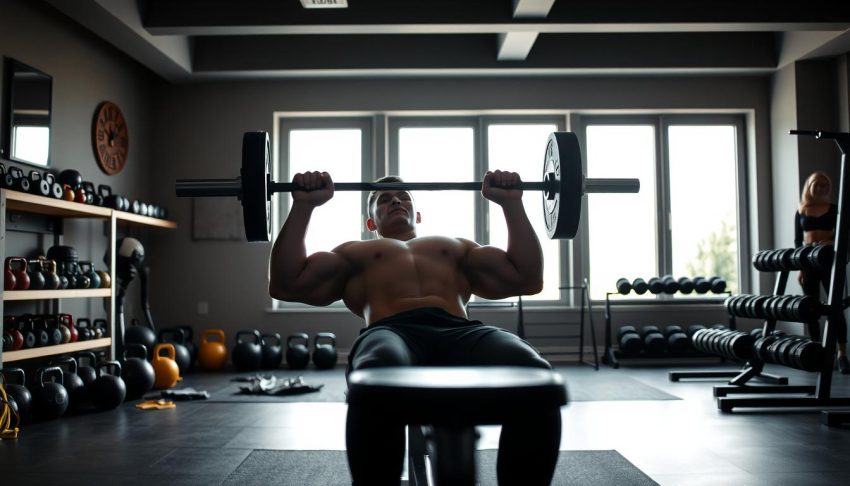
Welcome to your complete guide for developing a powerful upper body! Whether you’re new to training or looking to enhance your routine, this article will show you the way.
We’ll explore various movements from classic bench presses to cable flyes. You’ll learn proper techniques for barbell, dumbbell, and bodyweight exercises.
Understanding chest anatomy helps maximize your results. Different angles like incline positions target specific areas for balanced development.
Follow along for practical tips on sets, reps, and resistance training. Let’s build both functional strength and impressive muscle together!
Key Takeaways
- Proper form prevents injury and maximizes muscle engagement
- Different exercises target various parts of the chest muscles
- Both free weights and bodyweight movements deliver results
- Understanding anatomy helps create more effective routines
- Consistent training with progressive overload builds strength
- Equipment like resistance bands can enhance home workouts
- Balanced programming develops overall upper body power
Why You Shouldn’t Skip Chest Day
Many people think chest training is just about looking good. But there’s so much more to it! A strong upper body helps you in countless daily activities.
More Than Just Aesthetics: The Functional Benefits
Building your pectoral muscles does more than create an impressive physique. These muscles play a vital role in pushing movements and upper body power.
Think about everyday actions like pushing a heavy door or moving furniture. A developed chest makes these tasks easier. Even athletic performance improves with better pushing strength.
Compound lifts like bench press become more powerful when your chest is strong. This translates to better overall training results.
“A strong chest foundation supports nearly all upper body movements.”
Regular training with weights or resistance bands builds functional capacity. You’ll notice improvements in how you move and feel.
Improving Posture and Overall Upper Body Strength
Modern life often means hours at desks and computers. This can lead to rounded shoulders and poor posture.
Targeted chest exercises help counteract these effects. They pull your shoulders back and open up your chest area.
This postural improvement reduces back pain and spinal stress. Your breathing even becomes easier with better upper body alignment.
Strength development isn’t just about lifting heavier weights. It’s about creating a balanced, resilient body that moves well.
Neglecting your chest can lead to muscle imbalances. These imbalances might cause shoulder issues over time.
Consistent training ensures proportional development. This protects your joints and enhances overall strength progress.
Whether you use dumbbells, barbells, or bodyweight movements, chest day matters. It’s not just for serious lifters – everyone benefits from a strong upper body.
Make chest exercises a regular part of your routine. The long-term advantages go far beyond muscle size!
Understanding Your Chest Muscles: A Quick Anatomy Lesson
Knowing what’s happening beneath the surface transforms how you approach your upper body development. This knowledge helps you choose movements that deliver better results.
Meet the Pectoralis Major and Minor
Your upper body contains two primary muscle groups. The larger pectoralis major creates the visible shape most people recognize.
This fan-shaped muscle originates from your clavicle and sternum. It inserts into your upper arm bone, allowing pushing and hugging motions.
Beneath it lies the smaller pectoralis minor. This triangular muscle helps stabilize your shoulder blade during movement.
Together, these muscles control various arm actions. They work when you push, pull, or rotate your shoulders.
The Three Key Areas: Upper, Middle, and Lower Chest
Your pectoralis major contains three distinct sections. Each area responds differently to various angles of resistance.
The upper portion (clavicular head) runs diagonally from your collarbone. This region activates most during incline movements.
Middle fibers (sternal head) travel horizontally across your breastbone. These respond well to flat bench pressing motions.
Lower fibers (abdominal head) follow a downward path toward your midsection. Decline angles emphasize this area effectively.
Think of these fiber directions like different highway routes. Each path requires specific exercise angles for optimal engagement.
Many people mistakenly believe all pressing works the entire muscle equally. Actually, bench angle dramatically changes which fibers receive emphasis.
“Understanding fiber directions is like having a roadmap for muscle development.”
This anatomical knowledge enhances your mind-muscle connection. You’ll better feel which areas work during each movement.
For example, incline presses target upper fibers because they follow the same diagonal path. Decline movements match the lower fiber orientation.
This understanding helps you select exercises for balanced development. You can emphasize specific regions that need extra attention.
Your training becomes more intentional and productive. You’ll notice better activation and growth across all areas.
Remember this anatomy during your next session. Visualize which fibers you want to engage with each repetition.
This mental focus combined with proper exercise selection creates impressive results. You’ll build a stronger, more proportionate upper body.
How Movement Planes Target Your Entire Chest
Think about how your body moves in different directions during daily activities. Your training should reflect this natural variety. Understanding movement planes transforms how you approach upper body development.
Three primary planes guide your exercise selection. Each plane emphasizes different muscle fibers and functions. This knowledge helps create balanced, functional strength.
Sagittal Plane: The Foundation of Pressing Movements
The sagittal plane involves forward and backward motions. Classic pressing movements operate here. Think bench press and push-ups.
These exercises primarily target middle and lower pectoral fibers. They build raw power and pressing strength. The flat bench press serves as the cornerstone movement.
Changing the bench angle shifts emphasis within this plane. Incline positions work upper fibers more directly. Decline angles focus on lower chest development.
This plane forms the foundation of most strength programs. It develops the pushing power needed for heavy lifting.
Frontal Plane: Building Thickness with Flyes
The frontal plane features side-to-side movements. These actions create chest width and thickness. Cable and dumbbell flyes excel here.
These exercises stretch and contract muscle fibers horizontally. This motion enhances muscle growth through full range motion. The constant tension keeps muscles engaged throughout.
Cable machines provide superior tension compared to free weights. The resistance remains consistent through the entire movement. This leads to better muscle activation and development.
Pair frontal plane exercises with sagittal presses for balanced routines. This combination builds both power and aesthetic development.
Transverse Plane: Functional, Rotational Strength
The transverse plane involves rotational movements. These actions mimic many sports and daily activities. Single-arm cable crossovers demonstrate this plane perfectly.
This training engages stabilizing fibers often neglected. It develops functional strength for real-world movements. Think throwing, swinging, or pushing at angles.
Rotational exercises improve shoulder stability and core engagement. They prepare your body for multi-directional challenges. This reduces injury risk during athletic activities.
Incorporating this plane completes your chest development. It ensures no muscle fiber gets left behind.
“Training across all three planes creates comprehensive development that translates to real-world strength.”
Here’s how to integrate these concepts into your routine:
- Begin with sagittal plane presses for power development
- Add frontal plane flyes for thickness and stretch
- Include transverse plane movements for functional carryover
- Use cables for constant tension in non-pressing movements
- Adjust angles within each plane for complete fiber engagement
Mastering movement planes leads to impressive results. You’ll develop fuller, more defined pectorals with better overall function. Your training becomes more intelligent and effective.
Chest Training Myths: The Truth About “Man Boobs” and Spot Reduction
Let’s clear up some common misunderstandings about chest development and fat loss. Many people worry about chest fat, often called “man boobs” or moobs. The truth might surprise you.
Most chest fat comes from overall body weight issues, not lack of training. Your body stores fat in patterns based on genetics. For men, the chest area is a common storage spot.

There’s an important difference between fat and a condition called gynecomastia. Gynecomastia involves hormonal changes and actual breast tissue development. Simple weight gain causes fatty tissue accumulation instead.
Spot reduction is a complete myth. No amount of bench press or cable fly movements will burn fat from one specific area. Your body loses fat overall through calorie deficit.
Building muscle underneath can improve your appearance. A developed pectoral muscle creates a firmer foundation. This helps even before fat loss occurs.
“Focus on sustainable nutrition changes rather than quick fixes. Long-term habits create lasting results.”
Your diet plays the crucial role in revealing muscle definition. Proper nutrition reduces overall body fat percentage. This allows your hard-earned muscle to show through.
Don’t feel discouraged if you struggle with this area. Many men experience the same concerns. The solution involves patience and consistent effort.
Continue your strength training routine for muscle growth. Exercises like incline dumbbell press build valuable tissue. This effort supports your overall fitness goals.
Full-body fat reduction comes from balanced eating and regular activity. Combine resistance training with cardiovascular exercise. This approach delivers the best results.
Remember that chest workouts remain valuable for building power. They develop pressing strength and upper body function. The benefits extend far beyond appearance.
For personalized guidance, consider consulting nutrition resources. Meal plans tailored to your needs can accelerate progress. Sustainable changes beat temporary diets every time.
With proper approach, you can achieve the physique you want. Stay consistent with both training and nutrition. Your efforts will pay off over time.
Your Guide to the Most Effective Chest Workouts
Building a powerful upper body requires smart exercise choices. The right combination of movements creates balanced development across all areas.
Your selection should include both heavy compound lifts and targeted isolation work. This approach builds raw power while shaping individual muscle fibers.
Exercise Selection for Balanced Development
Think about your pectoral muscles as having three distinct regions. Each area responds best to specific angles and movement patterns.
Compound movements like bench pressing form your foundation. These multi-joint exercises allow heavy loading for maximum strength gains.
Barbell and dumbbell variations each offer unique benefits. Free weights develop stability while machines provide controlled movement paths.
Isolation exercises like cable flyes target specific fibers. The constant tension keeps muscles engaged through full ranges of motion.
Here’s a balanced approach to exercise selection:
- Include horizontal pressing for overall thickness
- Add incline angles for upper development
- Use decline movements for lower emphasis
- Incorporate fly variations for stretch and contraction
- Rotate exercises every 4-6 weeks to prevent adaptation
The Importance of Mind-Muscle Connection
Your mental focus during training dramatically impacts results. Concentrating on muscle contraction improves fiber recruitment.
Visualize your pectorals working during each repetition. This mental engagement enhances the quality of every movement.
Proper form ensures the target muscles handle the workload. Keep your shoulders stable and elbows at appropriate angles.
Control the weight throughout the entire range of motion. Avoid using momentum to move heavier loads.
Tracking your progress helps maintain motivation. Use training journals or apps to record weights, sets, and reps.
Progressive overload remains essential for continuous improvement. Gradually increase resistance or volume over time.
“The mind guides the muscle – focus determines results.”
Equipment availability shouldn’t limit your progress. Dumbbells offer versatility for home training situations.
Resistance bands provide portable options for travel. Cables deliver superior tension for isolation movements.
Rep ranges should match your specific goals. Lower reps with heavier weight build pure strength.
Higher repetition schemes create metabolic stress for hypertrophy. Most people benefit from periodizing both approaches.
Consistency and intelligent programming yield the best outcomes. Stay committed to your routine while making smart adjustments.
Your dedication will transform your upper body development over time.
1. Barbell Bench Press: The Classic Strength Builder
When it comes to building raw power, few movements match the barbell bench press. This fundamental exercise has stood the test of time for good reason. It delivers impressive results for both new lifters and seasoned athletes.
Primary Target: Inner and Mid Chest
The flat bench position primarily engages your middle and lower pectoral fibers. Your shoulders and triceps provide valuable assistance during the movement. This coordinated effort allows you to handle heavier loads.
Research shows significant muscle activation across the entire pectoral region. The barbell bench press remains one of the most efficient upper body exercises available.
Step-by-Step Barbell Bench Press Guide
Position yourself with eyes directly under the bar. Grip the barbell slightly wider than your shoulders. Keep your wrists straight and elbows tucked.
Unrack the weight with control. Lower the bar to your mid-chest area. Maintain tension throughout your entire body.
Drive the bar upward with explosive force. Exhale as you push through the sticking point. Lock out your elbows at the top position.
Pro Tips for More Power and Stability
Drive your feet firmly into the floor throughout each rep. This leg drive creates full-body tension and stability. It helps you generate more pressing power.
Use a controlled arch in your lower back. This technique shortens the bar path slightly. It also protects your shoulder joints during heavy sets.
Keep your shoulder blades retracted and depressed. This positioning creates a stable platform for pressing. It ensures your pectorals handle the primary workload.
“The barbell bench press remains the gold standard for measuring upper body strength.”
Avoid these common mistakes during your training sessions. Don’t flare your elbows outward excessively. This position places unnecessary stress on your shoulder joints.
Never bounce the bar off your chest. This dangerous technique sacrifices form for weight. It increases injury risk and reduces muscle engagement.
Barbells allow heavier loading compared to dumbbells. The fixed movement pattern helps develop maximal strength. Your muscles work together cohesively during each repetition.
Consider incorporating variations into your routine. Close grip presses emphasize triceps development. Floor presses build power from the bottom position.
Mastering this fundamental movement pays dividends. You’ll build impressive upper body power and muscle development. The barbell bench press deserves its place in your regular training.
2. Incline Dumbbell Bench Press: Sculpting the Upper Chest
Moving beyond flat pressing opens new possibilities for targeted development. The incline dumbbell bench press stands out for its precision in shaping the upper pectoral region.
This movement offers unique advantages over barbell variations. The freedom of movement allows for natural arm paths and deeper stretches.
Using dumbbells helps address common strength imbalances between sides. Each arm works independently, ensuring balanced development over time.
The incline angle transforms this from a general pressing movement into a targeted exercise. It specifically emphasizes the clavicular head of your pectoral muscles.
Why Incline Angles Make a Difference
Bench positioning dramatically changes which muscle fibers receive emphasis. An incline set between 30-45 degrees optimizes upper chest activation.
This angle matches the natural fiber direction of your upper pectorals. The movement pattern directly engages these often-underdeveloped fibers.
Angles higher than 60 degrees shift focus toward shoulder muscles instead. Keeping the bench moderate maintains chest emphasis while protecting your joints.
The incline position also reduces shoulder strain compared to flat pressing. It allows for a more natural range of motion during each repetition.
How to Perform the Incline Dumbbell Press
Begin by adjusting your bench to the proper angle. Sit with your back firmly against the pad and feet flat on the floor.
Position the dumbbells on your thighs before leaning back. Use your legs to help lift them into starting position.
Press the weights upward with controlled power. Move them slightly inward at the top for maximum contraction.
Squeeze your upper chest muscles at the peak of the movement. Lower the dumbbells slowly while maintaining tension throughout.
“The mind-muscle connection transforms good reps into great ones. Focus on feeling your upper chest work during every repetition.”
Dumbbells provide superior range of motion compared to barbells. You can achieve a deeper stretch at the bottom position.
This extended range enhances muscle growth through full fiber engagement. It also improves shoulder mobility over time.
Variations like neutral grip or alternating presses add useful variety. These changes keep your training fresh and challenging.
This exercise complements flat pressing movements perfectly. Together they create comprehensive upper body development.
Include incline dumbbell presses in your regular routine. You’ll build a stronger, more balanced upper body with consistent practice.
3. Bodyweight Dips: A Lower Chest Powerhouse
Ready to target your lower pectorals with a classic bodyweight movement? Dips stand out as one of the most powerful exercises for building a strong, well-defined upper body. They require minimal equipment but deliver maximum results when performed correctly.
This movement engages multiple muscle groups simultaneously. Your triceps and shoulders provide support while your pectorals handle the primary workload. Proper technique shifts the emphasis toward your lower chest fibers.

Shifting Focus from Triceps to Chest
Many people feel dips primarily in their arms. A simple form adjustment changes everything. Leaning your torso forward about 30-45 degrees makes a dramatic difference.
Allow your elbows to flare slightly during the movement. This position increases pectoral engagement significantly. You’ll feel a deep stretch across your entire chest area.
Think about pressing your chest toward the bars during the upward phase. This mental cue maintains emphasis on your target muscles. The mind-muscle connection transforms good reps into great ones.
Mastering the Form for Maximum Activation
Begin by gripping parallel bars with your palms facing inward. Jump gently to the top position with your arms fully extended. Keep your shoulders down and away from your ears.
Lower your body with controlled movement. Descend until your chest drops below bar level. Maintain forward lean throughout the entire range of motion.
Push upward with purposeful force while squeezing your pectorals. Exhale during the concentric phase of the movement. Complete each repetition with full control and intention.
“Proper dipping technique builds impressive lower chest development while enhancing overall upper body power.”
Progressing from Beginner to Weighted Dips
New lifters might find bodyweight dips challenging initially. Assisted machines or resistance bands provide excellent support. These tools help build strength gradually.
Once you can perform 3 sets of 8-12 reps comfortably, consider adding resistance. Weighted belts or holding a dumbbell between your feet increases intensity. This progression accelerates strength gains significantly.
Home variations using sturdy chairs or sofa arms work well too. Ensure your setup is stable and secure before beginning. Safety always comes first in any training program.
Advanced lifters benefit from weighted dips for increased muscle growth. The additional resistance creates new challenges for continued development. Your strength improvements will translate to other pressing movements.
Incorporate dips into your regular routine for comprehensive lower pectoral development. This timeless exercise deserves its place in any serious strength program. Your dedication will yield impressive results over time.
4. Incline Bench Cable Fly: Isolating the Upper Pecs
Now let’s explore a precision movement that zeroes in on your upper pectorals. The incline bench cable fly offers unique advantages for targeted development.
This exercise stands apart from pressing movements. It provides constant tension throughout the entire range of motion.
The Benefit of Constant Cable Tension
Cable machines deliver resistance differently than free weights. The tension remains consistent from start to finish.
This continuous load keeps muscle fibers engaged longer. It creates superior conditions for hypertrophy and growth.
Compared to dumbbells, cables eliminate momentum issues. Every portion of the movement requires muscular effort.
The constant pull enhances mind-muscle connection too. You’ll feel your upper pectorals working through the entire arc.
Setting Up and Executing the Perfect Fly
Position an incline bench at 45 degrees between cable stations. Attach handles to the lowest pulley settings.
Grab the handles with a neutral grip, palms facing each other. Sit firmly against the bench with feet planted wide.
Start with arms extended slightly forward and wide. Pull the handles in a smooth arc toward your upper body.
Squeeze your pectorals hard at the movement’s peak. Control the return stretch with deliberate slowness.
“The incline cable fly builds impressive upper pec detail while protecting shoulder joints from excessive stress.”
Keep a slight bend in your elbows throughout the motion. This protects your joints while maintaining tension on target muscles.
For increased inner pectoral focus, cross your arms at the top. This variation enhances the contraction phase significantly.
This movement complements heavy pressing exercises beautifully. It adds thickness and definition to your upper development.
Athletes benefit from cable flies for shoulder injury prevention. The controlled movement pattern supports overhead sports performance.
Try standing high-to-low flies for lower pectoral emphasis. This variation completes your cable training options.
Include incline cable flies in your finishing routines. They create an incredible pump while enhancing muscular detail.
Your dedication to precision movements pays off with better overall development.
5. Single-Arm Cable Crossover: Unilateral and Rotational Strength
Let’s dive into a unique movement that brings athletic power to your routine. The single-arm cable crossover stands apart from traditional pressing motions.
This exercise engages your body in the transverse plane. It mimics rotational actions like throwing or swinging. This functional approach builds real-world power.
You’ll develop impressive core stability alongside pectoral development. The unilateral nature addresses muscle imbalances effectively.
Engaging the Transverse Plane
The transverse plane involves rotational movements across your body. Most traditional exercises ignore this important dimension.
Single-arm crossovers fill this gap beautifully. They prepare your body for multi-directional challenges. Athletic performance improves with this functional training.
Your obliques and serratus anterior muscles activate strongly. This enhances overall torso stability and power transfer.
Technique for Inner and Lower Chest Focus
Set the pulley slightly above shoulder height. Stand sideways to the machine with feet shoulder-width apart.
Grip the handle with your outside hand. Pull it across your body in a smooth arc. Rotate your torso slightly during the movement.
Squeeze your pectorals hard at the midpoint. Feel the deep contraction across your inner and lower fibers.
Control the return movement with deliberate slowness. Maintain tension throughout the entire range.
“This cable movement builds rotational power while creating impressive chest detail through full-range tension.”
Benefits of this approach include:
- Constant resistance throughout the entire movement arc
- Improved mind-muscle connection for better activation
- Balanced development between left and right sides
- Enhanced core engagement and rotational stability
Use higher repetition ranges for best results. Aim for 10-15 reps per side. Focus on quality movement rather than heavy weight.
This exercise complements traditional pressing movements perfectly. It adds variety while building functional capacity.
Athletes particularly benefit from this rotational training. It translates directly to sports performance improvements.
Include single-arm crossovers in your regular routine. You’ll develop comprehensive upper body power and definition.
6. Push-Ups: The Ultimate Bodyweight Chest Exercise
Let’s explore the timeless exercise that requires zero equipment yet delivers maximum results. Push-ups stand as the most accessible movement for building upper body power anywhere.
This classic bodyweight movement engages multiple muscle groups simultaneously. Your pectorals, triceps, and shoulders work together during each repetition. Core muscles provide essential stability throughout the entire motion.
Targeting the Entire Pectoral Muscle
Push-ups activate all three sections of your pectoral muscles. The horizontal pressing motion works middle fibers primarily. Upper and lower regions contribute significantly too.
Research shows similar muscle activation patterns to bench pressing. This makes push-ups a legitimate strength-building alternative. You develop functional power without specialized equipment.
Proper form ensures optimal muscle engagement. Start in a solid plank position with hands shoulder-width apart. Keep your body straight from head to heels.
Lower yourself with controlled movement until your chest nearly touches the floor. Maintain tension throughout your entire body. Push back upward with explosive force while squeezing your pectorals.
“Push-ups build impressive upper body strength while developing core stability and joint health.”
Push-Up Variations for Every Fitness Level
Beginners can start with knee push-ups or incline variations. These modifications reduce the load while maintaining proper form. Gradually progress to full push-ups as strength improves.
Intermediate lifters benefit from standard push-up repetitions. Focus on quality movement rather than maximum numbers. Control both the lowering and raising phases.
Advanced variations provide continued challenges:
- Decline push-ups emphasize upper pectoral development
- Weighted versions add resistance for increased intensity
- Banded push-ups create variable tension throughout the movement
- Plyometric push-ups develop explosive power
Incorporate push-ups into various training contexts. Use them as burnout sets after heavy lifting. Combine them with dips for superset intensity.
Travel situations make push-ups particularly valuable. You maintain training consistency without equipment access. High-rep sets build endurance and metabolic benefits.
Progress systematically by increasing repetition numbers. Advanced variations provide new stimulation for continued growth. Circuit training incorporates push-ups for full-body conditioning.
This fundamental movement deserves regular inclusion in your routine. It builds practical strength while enhancing overall athleticism. Push-ups remain one of the most versatile exercises available.
Essential Dumbbell Exercises for a Home Chest Workout
Transform your home gym into a muscle-building powerhouse with these essential dumbbell movements. You don’t need fancy equipment to develop impressive upper body strength.
Dumbbells offer incredible versatility for targeted development. They allow natural movement patterns that build balanced power.
Dumbbell Pullover for Chest Expansion
This classic movement creates incredible stretch across your entire upper body. It expands your ribcage while developing serratus and lat muscles.
Lie perpendicular across a flat bench with only your shoulders supported. Hold one dumbbell with both hands above your chest.
Slowly lower the weight behind your head in a wide arc. Feel the deep stretch through your pectorals and intercostal muscles.
Pull the dumbbell back to starting position using controlled motion. Keep your hips low throughout the entire movement.
“The pullover builds mind-muscle connection like few other exercises. You’ll feel every fiber working through the full range.”
This exercise enhances breathing capacity and thoracic mobility. It complements pressing movements perfectly for complete development.
Eccentric Floor Fly for Muscle Growth
Floor exercises provide unique advantages for home training. The solid surface allows heavier loading with perfect form.
Lie on your back with knees bent and feet flat. Hold dumbbells directly above your shoulders with palms facing.
Lower the weights slowly to each side with slight elbow bend. Take 3-4 seconds during this eccentric phase.
Press back to starting position using your pectoral strength. Focus on squeezing your muscles at the top.
The controlled lowering phase creates massive tension for hypertrophy. You can handle more weight safely thanks to floor support.
This movement builds incredible mind-muscle connection. You’ll develop better control and activation over time.
Integrate these exercises into your home routine for best results. Pair them with pressing movements like dumbbell bench variations.
Start with 3 sets of 8-12 reps for each exercise. Gradually increase weight as your strength improves.
Your dedication to proper form yields impressive muscle growth. These movements deliver results regardless of gym access.
Building Your Chest Workout Routine
Now that you’ve learned various movements, let’s put them together into smart training plans. Creating the right routine makes all the difference in your results.
Your program should match your specific goals and experience level. Consistency and proper structure lead to impressive development over time.
How Often Should You Train Your Chest?
Most people benefit from training their upper body once or twice weekly. This frequency allows sufficient recovery between sessions.
Recovery time depends on your overall program intensity. Heavy lifting requires more rest than lighter pump work.
Beginners might start with one weekly session focusing on learning proper form. Intermediate lifters often progress to two sessions for better muscle growth.
Listen to your body’s signals about recovery needs. Soreness should mostly fade before your next session.
Sample Workouts: Heavy Strength vs. Muscle Pump
Two main approaches deliver different benefits for your development. Strength-focused routines build raw power.
These sessions use lower rep ranges with heavier weight. A sample strength day might include:
- Barbell bench press: 5 sets of 5 reps
- Incline dumbbell press: 4 sets of 6-8 reps
- Weighted dips: 3 sets of 8 reps
Pump-focused training creates metabolic stress for hypertrophy. Higher reps with moderate weight produce this effect.
A pump session could look like:
- Incline cable fly: 4 sets of 12-15 reps
- Dumbbell press: 3 sets of 10-12 reps
- Push-ups: 3 sets to failure
“Alternating between strength and pump phases keeps your body responding and prevents plateaus.”
Integrating Compound Lifts and Isolation Movements
The best routines combine both compound and isolation exercises. This balanced approach builds complete development.
Start your session with heavy compound movements like bench presses. These multi-joint exercises allow maximum weight loading.
Follow with isolation work like cable flyes or dumbbell pullovers. These single-joint movements target specific areas with precision.
A typical session might flow like this:
- Compound press for strength (3-4 sets)
- Secondary press variation (3 sets)
- Isolation movement (3 sets)
- Bodyweight or pump exercise (2-3 sets)
This structure ensures you hit all muscle fibers effectively. You develop both power and aesthetic qualities.
Remember to progress gradually in your training. Increase weight or reps slowly over weeks and months.
Track your numbers to ensure continuous improvement. Small consistent gains lead to big results over time.
Your dedication to smart programming will transform your upper body development!
Conclusion: Building a Stronger, More Defined Chest
You now have all the tools to build impressive upper body power and shape. This guide has shown you how to target every area of your pectoral muscles.
Varied angles and movement planes create balanced development. From barbell presses to cable flyes, each exercise plays a role.
Consistency and proper form bring the best results over time. Pair your training with good nutrition and rest for optimal muscle growth.
Whether at home or the gym, these movements are accessible to everyone. Start applying these techniques today for noticeable improvements.
Your dedication will lead to both strength gains and a more defined physique. Keep pushing toward your fitness goals!